
Damage Control Procedures for Non-Surgeons in Prolonged Casualty Care
21st July 2026
Overview
Join Dr John Quinn, Dr Tom Stevenson and Aebhric O’Kelly who will examine the ethical, clinical, and governance frameworks for essential surgical interventions undertaken by non-surgeon clinicians in rural, remote, and humanitarian settings, aligned with the RCSEd. The speakers are faculty with the College of Remote and Offshore Medicine Foundation. The session will explore the development of the concept by the Disaster Health Institute and CoROM, and reference current research addressing emergency procedures when surgical support is unavailable. Drawing on lessons learned in the current Ukrainian conflict, and recent published studies, the webinar will present an evidence-based, damage limitation perspective on procedural boundaries, training requirements, and patient safety for non-surgeons.
Aims
This webinar will provide an evidence-based framework for understanding when and how essential surgical interventions may be undertaken by non-surgeon clinicians in remote and humanitarian settings. It will clarify safe procedural boundaries, governance considerations, and patient-safety principles, supporting clinicians and organisations aligned with the educational mission of the Royal College of Surgeons of Edinburgh.
Learning Objectives
By the end of this webinar, attendees should be able to:
- Discuss current research showing non-physicians providing minor surgical interventions and damage control procedures.
- Describe the clinical and operational contexts in which non-surgeon clinicians may be required to undertake essential surgical interventions in remote, rural, and humanitarian environments.
- Explain how relevant Joint Trauma System Clinical Practice Guidelines inform decision-making and procedural limits when specialist surgical support is unavailable.
- Identify appropriate procedural boundaries, training requirements, and governance considerations to support patient safety and risk minimisation.
- Apply ethical and proportionate decision-making frameworks to real-world case scenarios involving constrained resources and delayed evacuation.
Panellists
Our panellists include:
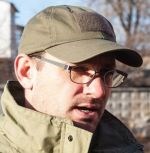
John Quinn MD PhD - Senior Lecturer, CoROM
Dr Quinn is a healthcare professional with an MPH, a PhD in Hygiene and Epidemiology, and dual licensure as a paramedic and emergency medical doctor. He has led remote medicine clinics in conflict zones, consulted for NATO institutions, and specialised in health and medical stability operations. In Ukraine, he provided TCCC, PFC, and FRC training, established a prehospital whole blood program, and supported healthcare systems during COVID-19. In 2022, he returned to Ukraine to provide emergency care, evacuations, and Role 1/2 DCR/DCS. Currently, he advises on prehospital care to align with NATO standards and conducts research on conflict and disaster medicine at Charles University’s Prague Center for Global Health.

Dr Tom Stevenson - Senior Lecturer MBBS PhD FRCS (Tr & Orth), Senior Lecturer, CoROM
Dr Stevenson is a Trauma & Orthopaedic Surgeon in the Royal Navy. He graduated as a Doctor from St. George’s Hospital Medical School in 2007, and has served 18 years in the Royal Navy, with deployed experience both on land and at sea.
During his front line tour of Afghanistan in 2011, he gained experience in pre-hospital care of combat trauma, including blast and ballistic injuries, which helped ignite his future research interests.
He subsequently was awarded a PhD in Wound Ballistics from Cranfield University in 2019 looking at quantifying tissue damage associated with military firearms and testing the effect of military clothing on gunshot wound patterns in both gelatine and cadaveric deer limb models.
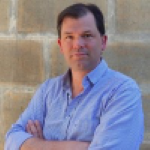
Aebhric O’Kelly (chair) - FFRRHHEd - Dean Emeritus, CoROM
Aebhric is a former Green Beret, a Tropical Nurse and a board-certified Critical Care Paramedic. He is the Founder and Dean Emeritus for the College of Remote and Offshore Medicine Foundation and a member of the Faculty Advisory Board for the Royal College of Surgeons, Edinburgh.
CPD
1 Hour
To be eligible to receive CPD hours for webinar attendance you must connect for the full duration of the webinar AND complete the feedback survey.
Visit our FAQ for further information relating to webinar CPD.
Recording