
Medicine at Sea
Building the Next Standard for Cruise Ship Medical Care and a New Career Option for young Surgeons and Physicians
17th November 2026, 19:00 to 20:00 GMT
Overview
Cruise medicine is becoming an important and specialised field of maritime healthcare. With global cruise passenger numbers reaching a record 37.2 million in 2025 and ships becoming larger, more complex and longer-range, the demands on onboard medical teams are evolving rapidly. This webinar will examine the changing medical needs of passengers and crew, regulatory and industry expectations, and the gap between required competence and standardised specialist education. It will also explore how the College of Offshore and Maritime Medicine in Malta in collaboration with the Royal College of Surgeons of Edinburgh, could help shape future cruise medicine training.
Aims
- To provide an overview of the rapidly evolving field of cruise ship medicine and the clinical, operational and regulatory challenges created by increasingly large and complex passenger vessels.
- To highlight the need for consistent, evidence-based specialist education for healthcare professionals working in cruise environments.
- To stimulate discussion between clinicians, cruise operators, regulators and medical educators about the future of cruise medicine training and international standards.
Learning Objectives
By the end of this webinar, attendees should be able to:
- Describe the key clinical and operational differences between conventional clinical practice and medical practice on large cruise ships.
- Identify the principal regulatory, credentialing and industry expectations relevant to medical care at sea.
- Recognise common gaps and variability in current preparation and training for healthcare professionals entering cruise medicine.
- Discuss the core competencies that a future structured cruise medicine curriculum should address.
- Explain how collaboration between maritime medical education providers, cruise operators and professional colleges could support higher and more consistent standards of care.
Panellists
Our panellists include:
Prof. Khanssa Lagdami, PhD
Prof. Khanssa Lagdami is Associate Professor of Maritime Labour Law & Policy at the World Maritime University in Malmö, Sweden. Her expertise covers maritime labour law, human rights at sea, maritime security and the effects of AI, automation and surveillance on seafarers. She works with international organisations including the International Maritime Organization and the European Commission and has extensive experience in maritime capacity-building projects.
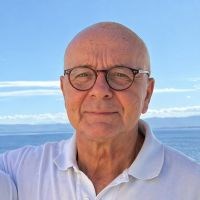
Prof. Elias Degiannis, MD, PhD, FRCS (Glasg), FCS (SA), FACS
Prof. Elias Degiannis is a surgeon specialising in trauma surgery and has had a long academic and clinical career in South Africa. After completing his surgical training in the UK, he moved to South Africa in 1991 and joined the University of the Witwatersrand and Chris Hani Baragwanath Academic Hospital. He later headed the hospital’s trauma service and was instrumental in establishing a dedicated trauma unit. His work has included major trauma and emergency surgical care.
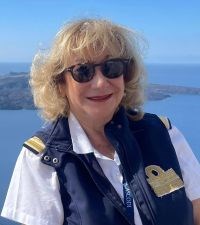
Prof. Isabella Susy De Martini, MD
Prof. Isabella Susy De Martini is an Italian neurologist and physician with an international academic background. She taught at the University of Pennsylvania in Philadelphia before becoming a tenured professor at the University of Genoa. She remains actively involved in maritime medicine as a Senior Medical Officer on board cruise ships, including Silversea Cruises, and as Scientific Coordinator of the International Maritime Ships Doctor Course at CoROM. She has worked as a ship doctor for international maritime and cruise operators for many years and is closely involved in the professional training of ship doctors.

Prof. T. (Teo) Forcht Dagi, MD, DMedSc, DHC, FRCSEd, FAANS, FACS, FCCM
Prof. Teo Forcht Dagi is a neurosurgeon, educator, CEO, company chairman, director, venture capitalist and inventor. He is an Honorary Professor at Queen’s University Belfast and has trained in neurosurgery and neurophysiology at Massachusetts General Hospital/Harvard Medical School and leading hospitals in London. He has held numerous leadership roles in surgery, patient safety, education and healthcare innovation, and has authored or co-authored seven books and more than 250 articles.
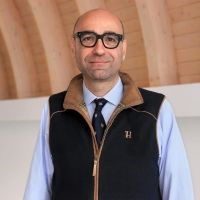
Prof. Aristomenis (Aris) Exadaktylos, MD, MSc(Ed), FRCEM, FRRHHEd(RCSEd) (Moderator)
Prof. Aristomenis Exadaktylos is Professor of Emergency Medicine at the University of Cyprus School of Medicine and Senior Lecturer in Emergency Medicine at the University of Fribourg, Switzerland. He is also Clinical Director of the Department of Maritime Medicine at the College of Remote and Offshore Medicine (CoROM) in Malta, where he contributes to the development of education and practice in maritime and remote medicine. He is a Fellow of the Faculty of Remote, Rural & Humanitarian Healthcare (FRRHH) of the Royal College of Surgeons of Edinburgh, alongside his Fellowship of the Royal College of Emergency Medicine (FRCEM).
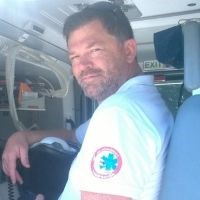
Aebhric O’Kelly, M.Psy, DTN, FRSM, FAWM (Moderator)
Aebhric O’Kelly is a critical care paramedic and a founding member and Rector of the College of Remote and Offshore Medicine Foundation (CoROM) in Malta, where he has played a central role in shaping the College and its educational programmes. He is a Fellow of the Faculty of Remote, Rural & Humanitarian Healthcare (FRRHH) of the Royal College of Surgeons of Edinburgh and serves as Dean Emeritus of CoROM. His professional focus is on remote, austere and offshore healthcare, particularly where access to definitive medical care may be delayed.
CPD
1 Hour
To be eligible to receive CPD hours for webinar attendance you must connect for the full duration of the webinar AND complete the feedback survey.
Visit our FAQ for further information relating to webinar CPD.
Recording
A recording of the webinar will be made available on this page in the days following the live broadcast.